Einstein Cycles

Sales. Rentals. Repairs.
  • Home
  • About
  • Service
  • Bikes
  • Rentals
  • Bike Trails
    • Cadillac Pathway
    • TC Bike Trails
    • Vasa MTB Trails
    • White Pine Trail
  • Races
    • TC MTB Races
  • Contact
  • Home
  • About
  • Service
  • Bikes
  • Rentals
    • Cadillac Pathway
    • TC Bike Trails
    • Vasa MTB Trails
    • White Pine Trail
    • TC MTB Races
  • Contact

The Blog

The Salsa Beargrease Gets Better

David Bucholtz September 26, 2026

Northern Michigan is home to mile after mile of groomed winter trails, and that’s the perfect place to put the Salsa Beargrease to the test. Salsa’s premier race fat bike, the platform turns 14 years old in 2027, but it hasn’t lost a step. 

The New Salsa Beargrease Lineup

Salsa now has four Beargrease models to choose from, including three carbon frame builds and an affordable aluminum option, too.

  • Salsa Beargrease C GX AXS

  • Beargrease C Eagle 90

  • Beargrease C Eagle 70

  • Beargrease Eagle 70

You can also get the carbon frameset, and Salsa still has a few older Beargrease C CUES 11 builds available - let us know if we can order you one. 

The Legend Lives On 

The bike is named after John Beargrease, a Minnesotan mail carrier who lived in the late 1800s. Minnesota’s North Shore relied on Beargrease to stay connected to the world, waiting for Beargrease’s weekly deliveries. He used horses, dog sleds, and boats to skirt the jagged Lake Superior shoreline. 

The Evolution Continues

The Beargrease debuted as an aluminum frame with 26” wheels back in 2013; the stock build was an unheard-of 29 pounds at the time, when the Surly Pugsley clocked in more than ten pounds more. 

The Beargrease continually pushed the fat bike envelope, expanding to carbon and 27.5” wheels at fat biking’s peak. 

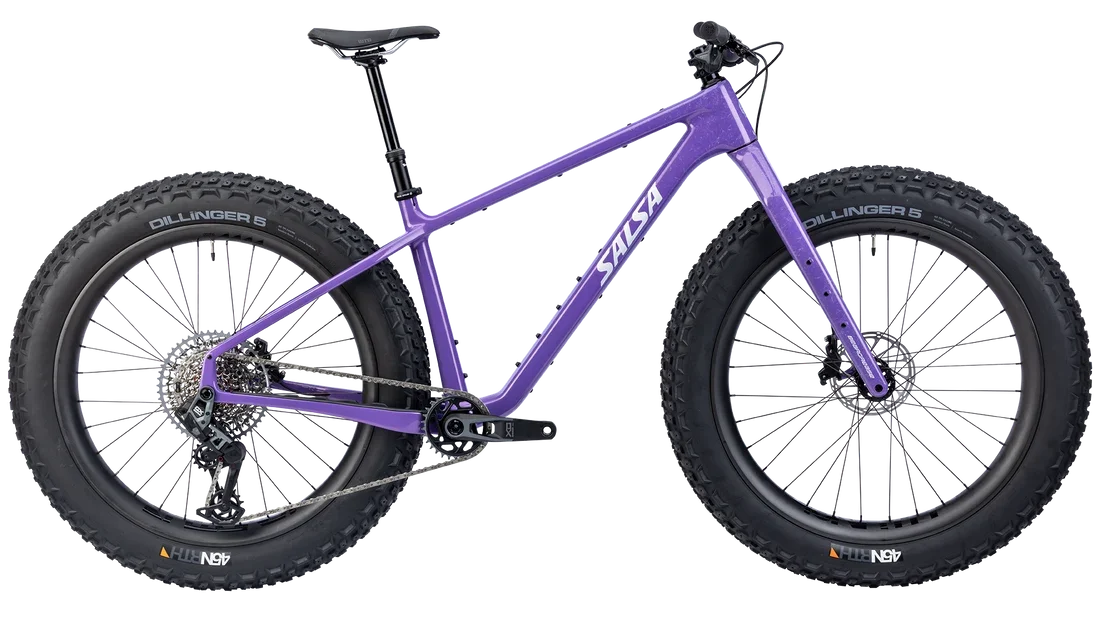
The Beargrease C GX AXS comes spec’d with 12-speed electronic GX AXS Eagle components, including a winter-ready SRAM 10-52t cassette. While it used to ship with 4” tires, the Beargrease now rocks 27.5” x 4.5” Dillinger tires for maximum traction and flotation. That added grip is ideal for the Winter Sports Singletrack’s tight turns and softer days at the Cadillac Pathway. 

Is the Beargrease Still the Best Fat Bike?

Almost certainly, if you’re looking for versatility and speed. Most Salsa Beargrease reviews agree that it’s unmatched in terms of stock weight and lively yet stable handling. Unlike early versions, the Beargrease now offers several frame and fork mount options; you can race it and bikepack on it without leaving anything at home. 

Shop the Salsa Beargrease at Einstein Cycles

Einstein Cycles built up the first Salsa Beargrease in Michigan over a decade ago, and we’re still the home of the sport’s more venerable fat bike. Stop into our Traverse City, Big Rapids, or Cadillac stores to find the best fat bike for how and where you ride - we’re looking forward to riding with you! Start your fat bike search by getting in touch. 

Comment

Einstein Cycles’ Guide to E-bikes

David Bucholtz September 5, 2026

E-bikes have ushered in a new, inclusive era of cycling, allowing riders of all ages, abilities, and interests to get out and explore. From road e-bikes to commuter-style riders, electric bikes are by far the fastest-growing segment of the cycling industry. However, due to their complexity, they are also the most misunderstood and the hardest to compare. We put together our e-bike guide to make choosing the right ride a little easier! 

What Is an E-bike?

Electric bikes are categorized as normal bikes with an electric motor and a rechargeable battery. This includes both manufactured e-bikes (built with an engine and battery at the factory) and add-on or aftermarket e-bike kits that convert a traditional bike into an e-bike. 

The most common types of e-bikes are:

Pedal assist - The motor adds power when you push on the pedals,  assisting your effort rather than doing all the work for you. 

Throttle: Like a motorcycle, a throttle e-bike engages the motor whether you’re pedaling or not. 

Most e-bikes with a throttle also have pedal assist, but not all pedal assist e-bikes have a throttle. That distinction is one of the key factors in how e-bikes are classified. 

E-bike Classes: 1, 2, and 3

Most e-bike laws and regulations are based on e-bike classes, which group different types of e-bikes into three groups. 

Class 1: These only have pedal assist, which means you need to pedal for the motor to work at all. Class 1 e-bikes are also capped at 20 miles per hour. 

Class 2: These e-bikes have both pedal assist and a throttle, and most stop assisting at 20 miles per hour. 

Class 3: These are pedal-assist only and max out at 28 miles per hour. 

Michigan Laws on E-Bike Classes

E-bikes are legal in Michigan, and all classes are allowed on public streets, roads, bike lanes, and road shoulders. However, not all e-bike classes are allowed on recreational trails. 

  • Class 1 e-bikes are allowed on any Michigan DNR trail open to traditional bikes. 

  • Class 2 e-bikes are restricted on non-motorized trails except for riders with a disability.

  • Class 3 e-bikes are prohibited on all DNR non-motorized trails. 

Most bike shops in Michigan do not sell Class 3 bikes, and many only offer Class 1 bikes. 

Read More: How to Choose a Commuter Bike

How to Pick an e-bike: Know Your Roll

Choosing an e-bike largely depends on narrowing your choices based on a few questions:

  • Where do you plan to ride most of the time?

  • How long/far do you plan to ride on your normal ride?

  • How often do you plan to charge your bike?

Where Do You Plan to Ride Most of the Time?

We always recommend buying a bike (any bike!) that suits your daily riding, not an aspirational trip. If you primarily ride gravel roads or mixed surfaces, we recommend a gravel e-bike, which will allow you to ride roads, gravel, and two-tracks. Getting a road bike will limit your ride options due to tire width and stability. Conversely, if you only plan to ride trails, get a mountain bike e-bike and rent a road or gravel e-bike when you’re planning something different for a few days. Look at the road conditions and riding outside your door or your ride history, and get the bike that covers 90% of the riding you do most often! 

How Long/Far Do You Plan to Ride on Your “Normal” Ride?

Like electric cars, one of the most important factors in choosing an e-bike is its battery size, which ultimately dictates its range. E-bikes are rated in Watt-hours (Wh). The lower the watt-hours, the smaller the battery and the shorter the range. 

  • 500 Wh: Roughly 20-45 miles per charge

  • 750 Wh: Roughly 30-62 miles per charge

  • 1000 Wh: Roughly 40-80 miles per charge

Why Do e-bike Ranges Vary So Much?

There are several factors that influence how much range your bike will have, even with the exact same battery. 

  • Level: Most e-bikes have 2-3 assist levels that deliver varying amounts of power. Eco-mode may use a negligible amount of power, while riding on a high assist level (often called Turbo Mode) may use twice as much power. 

  • Speed: Riding faster for longer periods, across assistance levels, will deplete the battery more quickly.

  • Terrain: Climbing hills or riding in gravel will drain the battery faster than riding on smooth flat roads. 

  • Weight: Heavier riders or loading more cargo will also drain the battery faster. 

  • Temperature: Cold temperatures can significantly reduce battery efficiency; riding the exact same route at the same assist level on a much colder day may drain the battery considerably faster. 

In general, the longer your average daily ride, the bigger battery you need. If you plan to ride 2-3 hours on the weekend, totaling 50 miles or more, a larger battery will cover your desired range. If you’re riding 10-20 miles between charges, a smaller battery will be less expensive and cover your needs!

How Often Do You Plan to Charge Your Bike?

The final factor expands on ride duration with its opposite variable: how often will you charge your bike? If you commute 10-20 miles with a 500 Wh battery, you may need to bring your charger with you every day to ensure you get home with a little juice in the tank. Even if your battery can make the range, having a battery or range that offers a few extra miles means you won’t have to charge it every day; for example, if you forget to charge your bike, having a bike with more range means you can still get to work without being late instead of hopping on the bus. 

e-bike Battery Safety Considerations

Low-quality, direct-to-consumer e-bike batteries have an increased fire risk that has previously caused property damage, injury and, tragically, death. We only sell certified, thoroughly tested batteries and motors to keep our customers safe. Always choose an e-bike that has been tested by a reputable industry organization, such as Underwriters Laboratories. 

More e-bike Battery Safety Tips

  • Always follow the manufacturer’s instructions for charging your e-bike and storing your e-bike. 

  • Don’t leave your e-bike charging when you’re not home or unable to check on it. 

  • If you notice an odor, discoloration, or any noise from the battery, stop using or charging it immediately. 

  • Keep batteries at room temperature; bring batteries inside during cold weather.

Shop e-bikes at Einstein Cycles

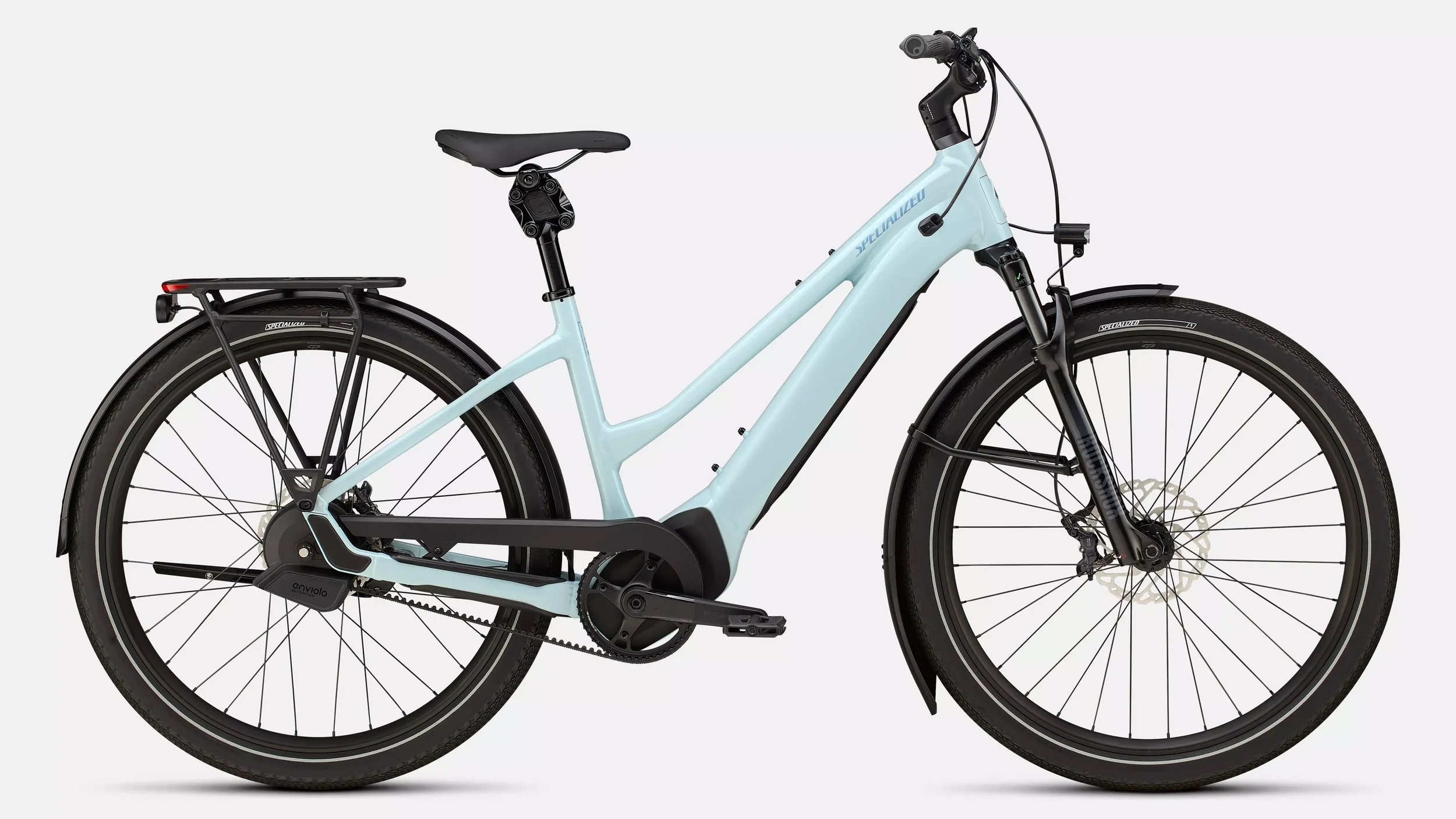
Einstein Cycles offers quality e-bikes from some of the most respected brands in the cycling industry, including Specialized, Salsa, Kona, Surly, TLG and more. We take pride in helping our customers find the right e-bike for how and where they ride, from all-day gravel epics to after-dinner spins on the TART. Get the selection and service you need to make an informed choice at our Traverse City, Cadillac, or Big Rapids locations today! (Tomorrow is probably okay, too.)

Comment

Cycling Nutrition for Every Part of the Ride

David Bucholtz August 1, 2026

Whether you’re putting in big miles training for the Michigan Gravel Race Series or just to push your own limits, fueling for cycling is a key part of enjoying your time on the bike. Everyone is different, and there is a lot of advice out there about the best energy gels, high-carb drinks, and other cycling nutrition - some of it reliable, most of it questionable. 

We’ve put together a few tips to demystify what to eat before, during, and after your ride, with one big caveat: Everyone is different, and you’ll likely need to adjust these types to meet your body’s needs. 

A Quick Guide to Macros

There are three macronutrients to understand before you start creating any diet, let alone a cycling nutrition plan. Just about everything you eat (excluding non-nutritive food additives, technically) is primarily composed of these three nutrients; the rest are vitamins, minerals, and a few other components that represent a fractional share of your food. 

  • Carbohydrates: These are your body’s primary source of fuel. Carbs are a source of quick energy and are found in grains, fruits, vegetables and, in much higher amounts, sports products like energy gels and bars. They contain 4 calories per gram, which makes them easy for your body to digest. 

  • Proteins: While proteins technically can be used for fuel, their primary role is to repair body and muscle tissue. The best sources of protein are meat, beans, and eggs. They also contain 4 calories per gram, but they are harder to digest than carbs, so you’ll only see a gram or two of protein, if any, in most sports products. 

  • Fat: Fat is an energy source, but it burns much more slowly than carbs and is harder for your body to break down during exercise. There are 9 calories per fat gram, making it a far denser fuel source. 

Why Carbs Are Key to Cycling Performance

Over the past five years, pro cyclists have gone all-in on carbs. After decades of fastest riding and other questionable nutrition practices, cycling’s modern era has been dominated by exceptionally high carb intake during racing and training. 

Today, most pro cyclists consume 90 to 120 grams of carbs per hour. That’s the equivalent of roughly 5 bananas per hour! That requires almost constant eating, which riders avoid by taking on high-carb endurance gels, drink mixes, and bars. 

Here’s where we slip in a gentle reminder: You are not a professional cyclist, and unless you’re riding three hours or more multiple days a week, this level of carb intake is not just unnecessary, but unhealthy. That said, you should still prioritize carbs before, during, and after your ride to keep glycogen (a store of energy converted from carbohydrates) steady. 

What to Eat Before Cycling

Plan your pre-ride or pre-race meal for about two to three hours before you start. The more intense the start, the earlier you should eat, although we’ll repeat that finding the right timing for you requires a little experimentation during your training block. 

  • Eat a carbohydrate-rich meal with some protein. 

  • Breakfast: Oatmeal with fruit, bagel with a dab of nut butter, whole wheat toast with eggs. 

  • Lunch/dinner: Rice with tofu, a small amount of pasta, oatmeal with fruit.

Avoid eating high-fiber and high-fat foods before cycling. Both of these can cause gas, cramping, acid reflux, or digestive distress. 

Read More: What’s the Difference Between Road Bikes and Gravel Bikes?

What to Eat During Your Ride or Race

Keep it simple, keep it light, and keep it consistent. Fueling during your ride should consist almost entirely of quick, accessible carbohydrates like:

Energy gels: We like Hammer, GU, and other gels with around 20 carbs per packet. Try to eat 1-2 per hour. 

High carb energy bars: Clif, Maurten, and Strykr make bars with 45 grams or more of carbs, though some cyclists may have a hard time eating these during intense training or competition. 

High-carb energy drinks: More and more riders rely on drinkable carbs, which tend to be a little easier to stomach than food. Skratch, Stryker, Hammer, and other brands now make drinks with as much as 80 grams per serving. Make sure you mix these products correctly and use smaller amounts than directed to start so you know your stomach can handle them. 

You can also make your own all-natural energy bars at home with oats, nut butters, and maple syrup. Some folks just toss a peanut butter and jelly in their jersey pocket, plus a bit of salt in their bottles and call it good! 

What to Eat After a Bike Ride

Not every ride requires a recovery drink or bar, but if you’re putting in over two hard hours, a quick drink after can really help you feel better the rest of the day and be more prepared to get back in the saddle tomorrow. 

While carbs are still key, recovery drinks and foods will have more protein. This is to repair muscles after a hard ride quickly. Some of the best recovery foods include:

  • Chocolate milk

  • A banana and yogurt

  • Turkey and avocado wrap

Note that none of these options have high sugar content, so skip “reward” foods after most of your rides. Save those for special occasions and pick something with a balanced ratio of carbs, protein, and fat. 

Ride Smart with Einstein Cycles

Eating to ride makes the sport more enjoyable and supports positive dietary habits off the bike, too. Fueling your ride isn’t always about performance; it’s about taking care of your body and enjoying your time in the saddle. When you feel strong, you have fun, and a nutritious diet is a big part of feeling good. Bring your questions (and a sample of your homemade energy bars!) to any one of our three locations in Traverse City, Big Rapids, and Cadillac; we’re always here to offer guidance and support! 

Comment

The Best Road Bike Upgrades to Improve Every Ride

David Bucholtz July 5, 2026

Even darn nice road bikes can use the occasional upgrade, especially after they’re a few seasons old. Technology improves, parts wear out, and your skills and fitness start to push the limit of what you need to reach your full potential. 

Not all road bike upgrades are worth it, and good bike shops will be honest about what to expect out of your new wheels, pedals, or other parts. Every bike and every rider is different, but here are a few things we consistently find are worth upgrading - and when you should. 

The Best Road Bike Upgrades

Every upgrade you make should have a specific goal, whether it be improving aerodynamics, reducing bike weight, or increasing comfort. We also recommend upgrading high-wear parts (think chains, cassettes, tires, cables, etc.) as they need replacement. That way you’re only paying “extra” on a part you need, not splashing cash unnecessarily. 

Tires (and Going Tubeless)

Tires make an incredibly big difference, and it makes sense. Tires are your sole connection to the tarmac and affect traction, rolling resistance, and how likely you are to get a flat. We recommend that nearly all riders try tubeless road tires for a more supple feel, better flat resistance, and to reduce weight. 

We’re big fans of the Continental Grand Prix 5000 for tubeless road, though we have plenty of customers on Schwalbes, Maxxis, and other road tires, too. 


Saddle

There’s a reason nearly every bike shop has a bin of take-off saddles; stock seats are rarely the most comfortable options, and many riders go through years of trial and error before finding a saddle they really like. Fizik and Specialized have an extensive array of seats to choose from, and we usually have a few bouncing around that you can take home and try for a few rides. 

Start with the Fizik Arione if you’re flexible and tend to move around on the saddle - there’s a reason that saddle has hardly changed in over three decades!

Pedals

Like your seat, pedals are an important contact point. Your saddle bears relatively constant weight (unless you stand up, of course), while your pedals take constant yet dynamic pressure as you pedal harder or easier. Paired with the fit and stiffness of your shoe, the pedals' tension and style affect how efficiently you transfer power from your body to the pedal, through the chain, and finally into the pavement. 

If you’re really looking to ride longer and go faster, it may be worth jumping up to a Shimano 105 or Ultegra road pedal, especially if you’ve previously only used mountain bike SPDs. Check out our guide to clipless road and mountain bike pedals if you’re ready to go down that rabbit hole.

Light Road Bike Wheels

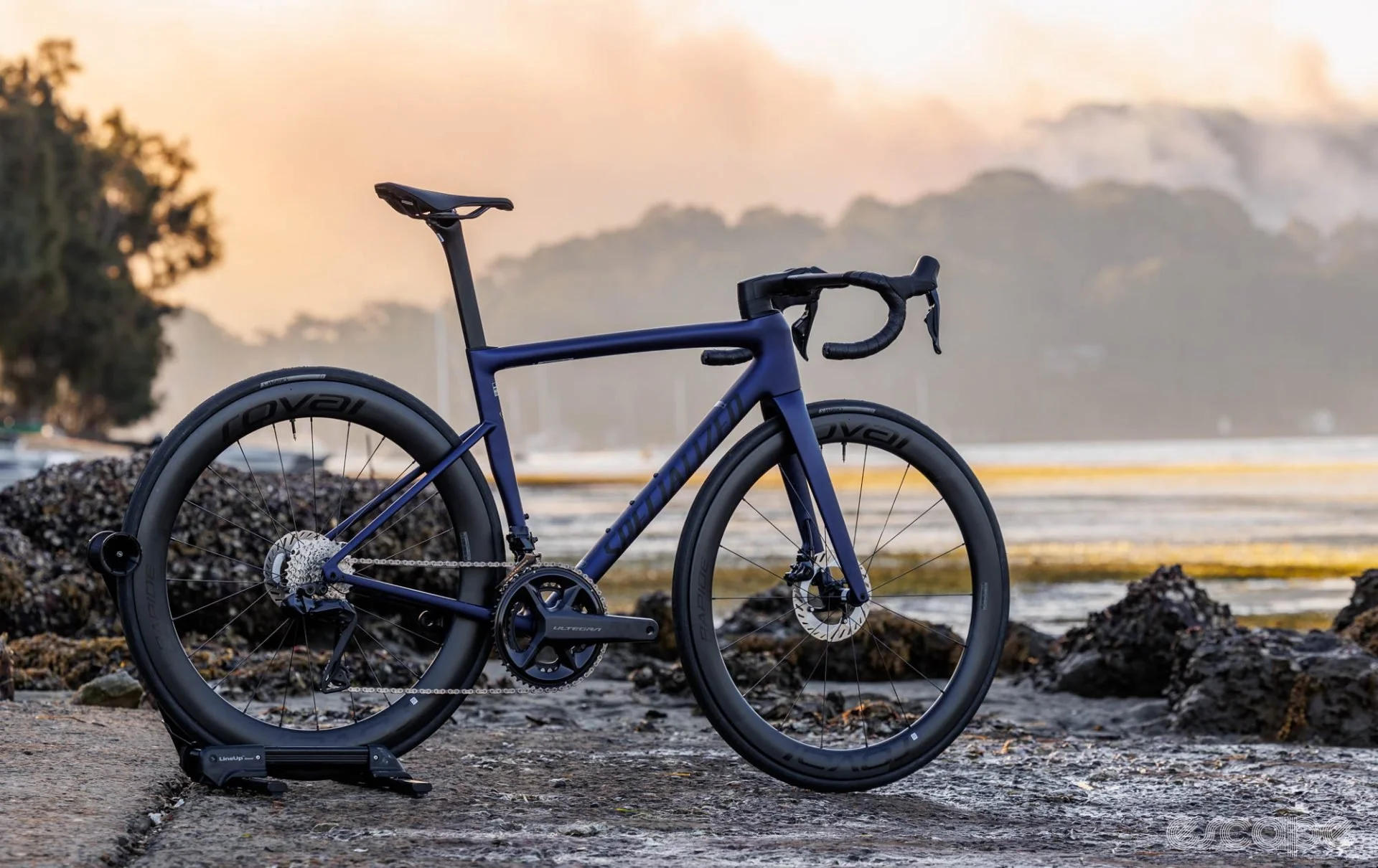
It’s hard to overlook the benefits of lighter wheels on a road bike. Deep section carbon rims significantly improve aerodynamics, and reduced weight makes climbing more efficient, keeping you in the bunch longer with less effort. Upgrading to carbon wheels, or a lighter aluminum climbing wheel than you already have, is likely the best upgrade, but it’s not going to be the cheapest. 

Is upgrading bike wheels worth it?

The answer comes down to math. If you’re considering buying new wheels for your road bike, try to find the following information before you buy. 

  • What are the weight savings? Compare the actual wheelset weight of your new and old wheels in grams. One pound is equal to 453 pounds; if you’re saving over a pound, you’re definitely going to feel a difference. 

  • Are they tubeless? Most road wheels are tubeless compatible these days, but double-check. Saving 400 grams only to throw in 200-300 grams of tubes is a very expensive wash. 

  • Do they have a warranty? Especially with carbon wheels, find out if they have a manufacturer’s warranty and, ideally, if the brand has a crash-replacement program. Roval, Specialized’s in-house components brand, offers a limited lifetime warranty for defects and a no-fault crash-replacement program. 

We’ll help you select the right wheels for what you’re looking to achieve, whether it’s winning the Tuesday Night Ride or having a second wheelset to swap between your road and gravel bikes. 

Your Next Upgrade Starts Here

No matter what or how you ride, Einstein Cycles has you covered. With three locations in Traverse City, Cadillac, and Big Rapids, we carry a wide selection of gear, parts, and wheels to make any ride a little faster and a whole lot more fun! Stop in a shop near you today* for unmatched selection and reliable advice. 

*Tomorrow is cool, too.

Comment
  • The Blog
  • Older
  • Newer

Ec Blog

You’ve landed on the official blog of Einstein Cycles. Explore the latest blog posts ranging from race recaps, adventure rides, stories, and routes. Stay tuned for updates coming soon.

Race Recaps

instagram-unauth facebook-unauth yelp
  • Contact
  • Newsletter Sign-Up
  • The Blog
Powered by Squarespace

All the images used in this template are the property of Vasuma and used with permission.

Einstein Cycles

Sales. Rentals. Repairs.

Traverse City, Michigan's premiere bike shop. 

Einstein Cycles | 1990 U.S. 31 North, Traverse City, MI 49686, United States of America

instagram-unauth facebook-unauth yelp