
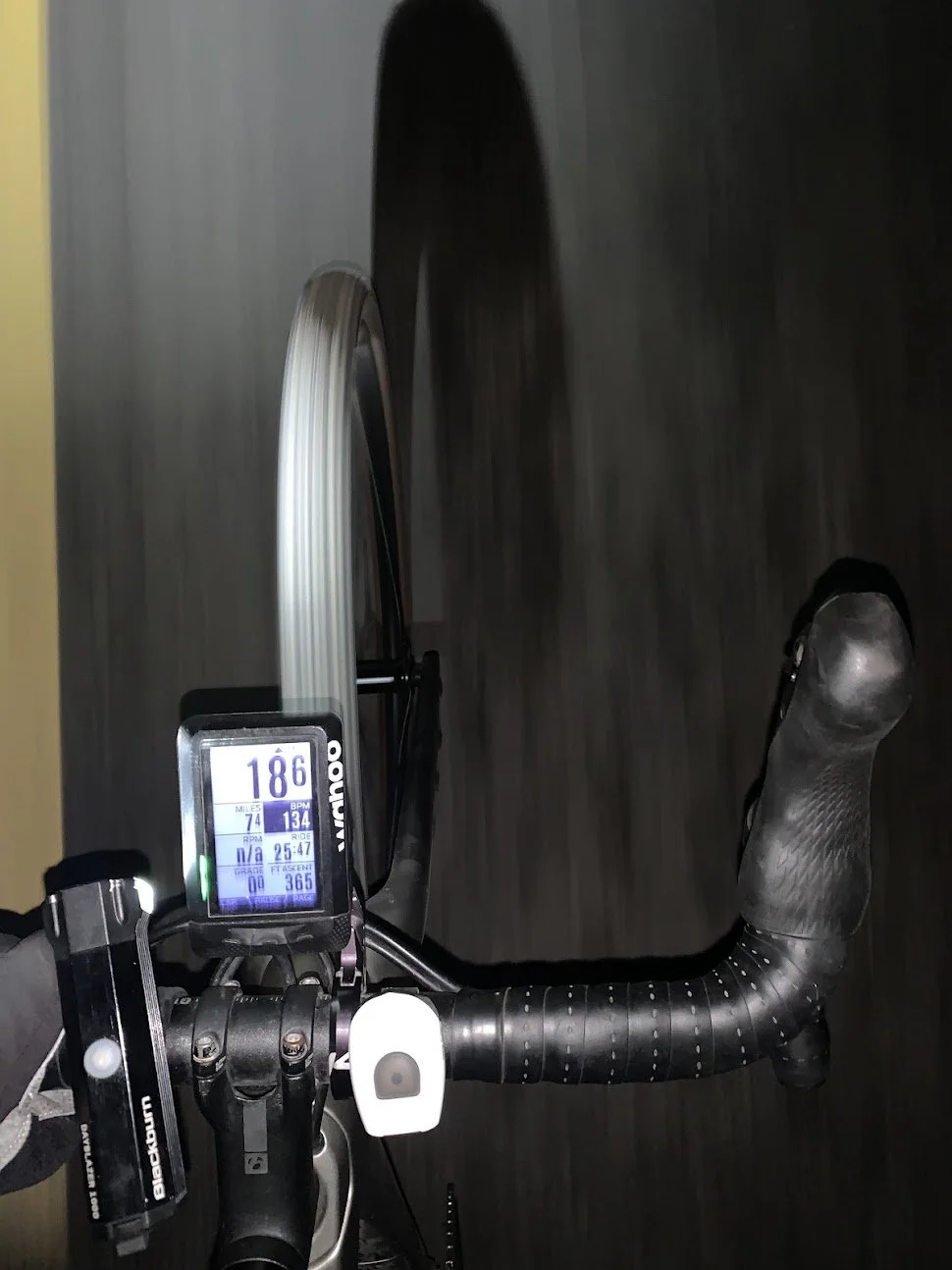
For a significant part of the year, riding in the dark is just a fact of life for working folks. By mid-October and deep into May, late sunrises and early sunsets mean rides before or after work start or end in darkness; most evening rides are rushed homeward as the sky darkens. That’s why having a reliable, powerful bike light is key. With the right cycling headlight and taillight, you’re ready to keep rolling while being seen and staying safe.
In our guide to cycling lights, we’ll explain how to choose the best cycling light for your needs, how many lumens you really need, and ways to increase visibility.
What Bike Lights Do I Need?
Choosing a set of cycling lights comes down to a few variables, most importantly how much power you’ll need. That is largely based on the number of lumens a light offers. So, what does lumen mean? A lumen is the international standard for measuring the amount of visible light a light source emits. The more lumens, the more light emitted; for example, an old-fashioned 100-watt light bulb produces around 1,500 lumens.
While it would be easy to just choose the brightest light for a bike, it’s not always necessary or convenient to carry certain types of lights, but we’ll get into that later. In addition to the total light output, you also need to consider how long you ride and whether it’s in the woods, on pavement, or a mix of both.
Bike Lights for Commuting
For riding around Traverse City, commuters don’t need much run time, but they do need visibility. We typically recommend a 100-lumen headlight and taillight, which you’ll likely need to recharge once or twice a week, depending on your commute length.
Bike Lights for Night Riding
For training and long miles, you’ll need more lumens for two big reasons. First, at higher speeds, you’ll need a light that penetrates farther ahead into the dark to illuminate potholes, sticks, or other hazards. Second, longer rides require more power. Lights with higher maximum output also offer lower-lumen options that extend run time for two-, three-, four-, or even five-hour rides.
Riding in the woods usually requires more power as well, since you need more light to pick up trees, sticks, roots, and branches that both create and hide in shadows.
For road riding, we recommend a 400-500 lumen headlight and taillight combo.
For mountain biking, look for a 1,000-lumen headlight or more, especially if you plan to use it in the winter. Cold temperatures zap batteries, shortening their reliable run time by as much as half.
Do I Need Lights on My Bike Helmet?
Mounting lights on your lid is great for mountain biking because it lets you direct light where you’re looking. This makes cornering so much easier in tight singletrack or at speed. In many cases, using a helmet-mounted light is a personal preference, though it does result in a bulky fit and may be prone to getting knocked around by low branches.
Taillights and Radar System
For decades, “red blinky lights” defined bike light options, and the technology barely changed. Today, bike light radars are increasingly popular and affordable. Garmin, Lezyne, Niterider, and other companies offer radar taillights that pair with your cycling computer or smartwatch to alert you when cars approach from behind. It’s an incredibly useful piece of tech that saves lives. Thankfully, rear radar taillights are getting less expensive every year and adding more features, too.
Some of our favorite radar taillights are the Lezyne Radar Drive, Garmin Varia, and Wahoo Trackr Radar, though there are many options out there.
Read More: The Ultimate Guide to E-Bikes
Ways to Mount Your Bike Lights
Most lights are designed to mount on the handlebars, either with a flexible rubber strap or a dedicated mount. Many headlights come with mounting hardware, or brands offer an accessory kit for other mounting points, such as the helmet or fork (on some steel touring bikes).
Taillights are almost always mounted to the seatpost or an upper seatstay. Some of the radar taillights noted above come with dedicated mounting hardware to fit proprietary seatpost shapes.
The Best Cycling Lights, Ranked
We picked a few of our favorite cycling lights for specific types of riding.
Best for mountain biking: Niterider Pro 2200 Race. Available for handlebar and helmet mounts, the Pro uses an external battery pack to deliver up to 2,200 lumens for 1.5 hours or 3 hours on medium. Great for fat biking!
Best for road cycling: Niterider Lumina 1250 Boost Front Bike Light. A self-contained light with a bombproof mount, so you’re never worried about it getting bounced or rattled on rough surfaces. Offers 1.5 hours at 850 lumens and 3.5 hours at 380 lumens.
Best radar light: Garmin Varia RTL515. Still the best value and most reliable option on the market. It offers vehicle alerts from up to 150 yards away, last for hours on blinking mode, and it’s easy to set up actoss head units.
Tips for Riding Safely at Night
Riding in the dark can actually be safer than during the day. Riding very early in the morning or very late at night means there is little or no traffic, especially on quieter roads.
Light it up. In addition to your headlights and taillights, use smaller, cheaper lights to boost your visibility. Point a smaller headlight down at the ground or pavement to illuminate hazards right in front of your wheel; this also helps drivers better judge the distance between you and their vehicle.
Reflective tape rocks. It’s amazing what a few small pieces of reflective tape can do for your visibility. Put tape on your seat stays, forks, and rims to add a reflective pop that drivers can easily see.
Dress right. Opt for cycling clothing with reflective touches on rear pockets, sleeves, and colors. While hi-viz yellow helps, remember that no color is visible without light, so focus on lights and reflective measures first.
Plan your ride. Map out your route to avoid busy roads and intersections, even if you’re just riding to and from the trailhead. Always let someone know when and where you’re riding, and consider using a live-tracking feature on your head unit, watch, or smartphone.
Night Riding Is a Bright Idea
Riding at night or early in the morning is a great experience, and we love joining local events like Friday Night Lights or cruising through downtown. Always keep your lights charged, check them before you go, and consider using lights designed for daytime riding, too. Stop by Einstein Cycles in Traverse City, Cadillac, or Big Rapids for a great selection of cycling lights and expert advice from our crew. We love keeping northern Michigan rolling!